
Laser Welded Fin Tubes Solid

Our Product
Laser Welded Fin Tubes
(Solid)
Anand Seamless Ltd. provides Laser Welded Fin Tubes with superior bonding, corrosion resistance, and high thermal efficiency for critical heat transfer applications.
Laser welding offers a narrow heat-affected zone (HAZ) and allows the use of thin-wall base tubes, improving overall thermal performance.
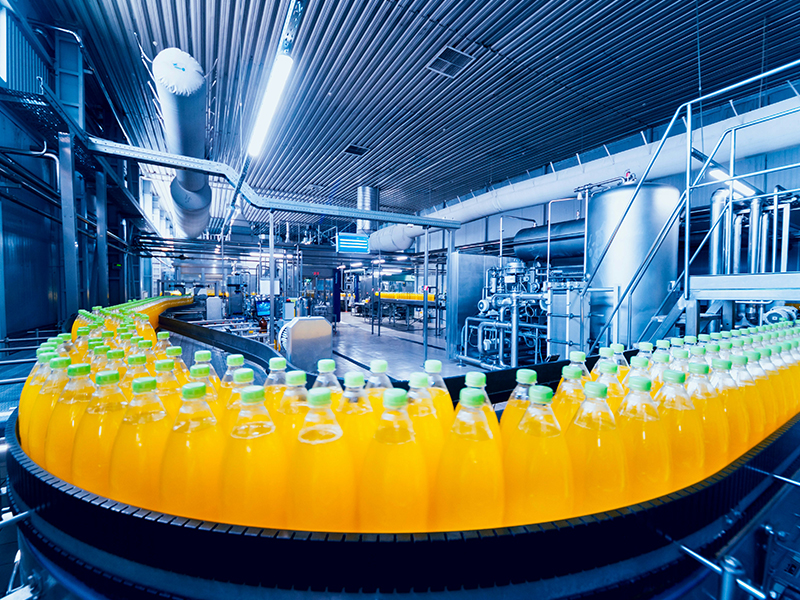
Due to their clean weld finish, laser welded tubes are ideal in hygienic environments and low-fouling applications where visual quality, corrosion resistance, and reliability are critical.
Technical Specifications
|
Sr. No. |
Particulars |
Range |
|---|---|---|
1 |
Base Tube Material |
Carbon Steel, Stainless Steel, Copper, Titanium |
2 |
Base Tube OD |
16 mm to 63.5 mm |
3 |
Tube Wall Thickness |
Thin-walled tubes (as per application) |
4 |
Tube Length |
Up to 12,000 mm |
5 |
Fin Type |
Solid or Serrated |
6 |
Fin Material |
Carbon Steel, Stainless Steel, Copper |
7 |
Fin Height |
9.5 mm to 25 mm |
8 |
Fin Thickness |
0.5 mm to 1.0 mm |
9 |
Fin Pitch |
Customizable (e.g., 5–11 FPI) |
10 |
Bonding Type |
Continuous Laser Weld – High Strength |
11 |
Weld Quality |
Clean, Low Heat-Affected Zone |
12 |
Surface Finish |
Superior (suitable for aesthetic and hygienic uses) |
International Standards Applicable
- EN 10204 – 3.1 / 3.2 certification
- Base material: ASTM A213 / A312 / A179 / A249 (as applicable)
- Custom manufacturing to client specs, including food- and pharma-grade requirements

Frequently Asked Questions (FAQs)
What are the benefits of laser welding over high-frequency welding?
Laser welding creates precise, narrow welds with minimal heat distortion and allows cleaner surface finish — perfect for hygienic or high-efficiency applications.
Are both solid and serrated laser-welded fins available?
Yes. We manufacture both solid and serrated fin profiles using laser welding, based on your design needs.
Are these suitable for marine or corrosive environments?
Absolutely. Using stainless steel or titanium, laser-welded tubes are excellent for corrosive atmospheres like offshore, marine, or chemical plants.
What is the advantage in low-fouling systems?
The smooth finish and minimal crevice design help reduce particle accumulation, making them ideal for low-fouling environments.