


Quick Inquiry
Heat exchangers are the heart of many industrial systems, used to transfer heat between two or more fluids. However, one of the persistent challenges these systems face is fouling, the buildup of unwanted materials on heat exchanger surfaces. Finned tubes, commonly found in these systems, are no exception. While fouling in heat exchangers is a well-known issue, this blog will focus on a more specific angle: how finned tubes themselves can be designed or treated to combat fouling, ensuring clean and efficient heat transfer throughout their service life.
Fouling doesn’t just decrease heat transfer efficiency; it increases maintenance costs, disrupts system performance, and often leads to unscheduled downtime. It’s an issue every engineer and operations manager is familiar with. Still, while much of the conversation around fouling centres on general maintenance, this post will dive deep into the solutions provided directly by the finned tube designs and materials to prevent fouling before it becomes a significant problem.
What is Fouling in Heat Exchangers?
To understand how finned tubes can help combat fouling, it’s essential first to define what fouling is and why it’s such a concern in heat exchangers. Fouling occurs when unwanted materials accumulate on the heat transfer surfaces, such as the fins of a heat exchanger, which can be composed of seamless tubes or other materials. These materials can drastically reduce the heat transfer efficiency of the system, requiring more energy to achieve the same results, and in some cases, may even lead to complete system failure.
Types of Fouling:
- Particulate Fouling: This occurs when dust, dirt, or other particulate matter settles on the fins of the heat exchanger. In industries like chemical processing, power plants, or mining, particulate fouling is particularly common. These particles accumulate over time and block the surface area of finned tubes, diminishing their heat transfer capabilities.
- Biofouling: Biofouling is the growth of microorganisms, such as algae and bacteria, on the heat exchanger surfaces. This type of fouling is especially prevalent in humid environments or systems exposed to seawater, such as in marine heat exchangers or offshore boiler tubes. The presence of organic material creates a sticky surface that attracts more bacteria and algae, leading to a cycle of increasing fouling.
- Scaling: In applications where heat exchangers deal with water or steam, mineral deposits like calcium and magnesium can build up on the surface of the tubes, particularly in systems using hard water. This scaling leads to thermal resistance, which reduces the system’s ability to transfer heat effectively.
Impact on Performance:
Fouling of finned tubes directly impacts heat transfer efficiency. When fouling builds up, the heat exchanger can no longer transfer heat as efficiently, leading to a rise in energy consumption. More energy is required to maintain the desired temperature, which increases operating costs. Fouling also leads to higher maintenance requirements, as the heat exchanger needs to be cleaned regularly or even replaced. In critical systems like boiler tubes and U-tube heat exchangers, the costs of downtime can be substantial, making fouling a significant issue to tackle.
Why Finned Tubes Are Prone to Fouling
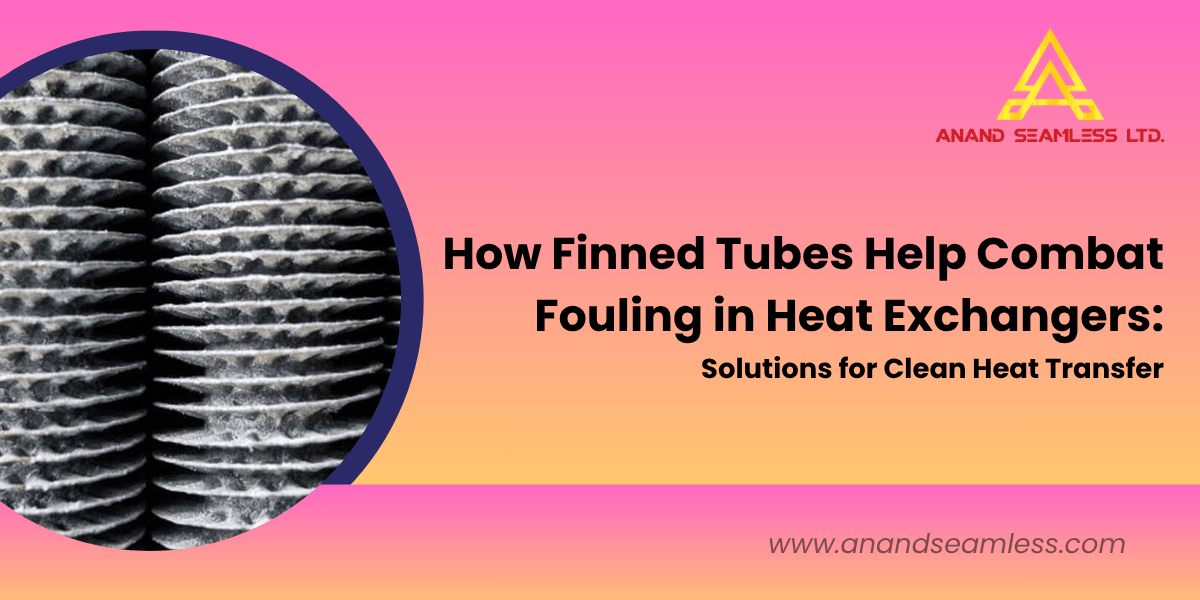
Finned tubes are designed to increase the surface area available for heat transfer, improving the efficiency of heat exchangers. However, this large surface area also makes finned tubes particularly prone to fouling. The fins themselves provide numerous nooks and crannies where particulate matter, biofilm, and minerals can accumulate, which reduces the heat transfer surface and obstructs airflow.
Finned tubes are commonly used in high-temperature environments, such as boilers or marine applications, where dust, salt, and humidity are prevalent. In these environments, the accumulation of dirt and debris on the surface of the fins can be a persistent issue.
Additionally, finned tubes in U-tube heat exchangers or boiler tubes are often subjected to thermal cycling, which further exacerbates fouling problems by causing the buildup of debris, corrosion, and scale.
Contact Us for Expert Advice!
How Finned Tubes Combat Fouling: Solutions & Design Features
Fortunately, many modern finned tube designs and materials are specifically engineered to reduce the effects of fouling. Let’s explore the solutions and design features that help finned tubes prevent fouling, ensuring better heat transfer and longer operational life.
Self-Cleaning Finned Tube Designs
One of the most innovative approaches to combating fouling is the self-cleaning design of finned tubes. These designs help dislodge dust, debris, and other particles from the surface of the fins, reducing the buildup of material that can cause fouling.
- Vibrating Surfaces: Some finned tube designs incorporate vibration mechanisms that periodically shake the fins. This movement helps dislodge particulate matter that might have settled on the surface, ensuring the fins remain clean without requiring manual intervention. These self-cleaning systems are especially useful in applications like boiler tubes, where fouling can significantly impact performance.
- Fluid Flow Mechanisms: Another approach involves optimising the fluid flow inside the finned tubes to create turbulent conditions. Turbulent flow helps keep particles in suspension, preventing them from sticking to the tube surface. By improving the flow dynamics, the likelihood of fouling can be reduced.
Anti-Fouling Coatings
Fouling can be significantly reduced by applying anti-fouling coatings to the surface of finned tubes. These coatings prevent the adhesion of dust, bacteria, and mineral deposits, making it more difficult for fouling agents to build up in the first place.
- Hydrophobic Coatings: Hydrophobic coatings make the surface of the finned tubes water-repellent, which helps reduce the accumulation of waterborne particles and contaminants.
- Teflon and Ceramic Coatings: Teflon and ceramic coatings are highly effective in harsh environments where corrosion and fouling are prevalent. These coatings reduce the attachment of particles, and in the case of boiler tubes or marine systems, they can protect the tubes from corrosion while simultaneously reducing fouling.
Corrosion-Resistant Materials to Minimise Fouling
Corrosion can exacerbate fouling, especially in environments where the heat exchangers are exposed to moisture, saltwater, or acidic vapours. To minimise fouling caused by corrosion, finned tubes are often made from corrosion-resistant materials.
- Stainless Steel and Alloys: Materials like stainless steel or nickel alloys are highly resistant to corrosion and help prevent fouling from accelerating in harsh environments. These materials are ideal for systems exposed to high humidity or corrosive substances, such as those used in offshore U-tube heat exchangers.
- Passivation and Electropolishing: These surface treatments help create a smooth, non-reactive surface that reduces the adhesion of fouling agents, making it harder for dirt, minerals, or microorganisms to cling to the tube.
Optimised Fin Design for Fouling Resistance
The design of the fins themselves can play a significant role in reducing fouling. By optimising the fin design, manufacturers can enhance heat transfer efficiency while also minimising fouling.
- Fin Geometry: The spacing and height of the fins can influence how easily dust and debris accumulate. Larger gaps between fins allow for better airflow, which reduces the chances of debris buildup. Additionally, the shape of the fins can be optimised to minimise the adhesion of fouling agents.
- Low-Resistance Fins: Low-resistance fins are designed to minimise turbulence and optimise cleaning efficiency. These fins improve the heat exchange process while making it harder for fouling to occur in the first place.
Automated Cleaning Systems for Finned Tubes
In environments where fouling is a significant problem, automated cleaning systems can be invaluable. These systems reduce the need for manual cleaning and help maintain the efficiency of the heat exchanger system over time.
- Self-Cleaning Mechanisms: Systems such as robotic scrapers, vibrational cleaning, and ultrasonic cleaning are increasingly being integrated into heat exchangers. These mechanisms help remove fouling material without interrupting the heat exchange process, making them ideal for industries like power plants and petrochemical plants where downtime is costly.
Best Practices for Minimising Fouling in Finned Tube Heat Exchangers
Preventing fouling is far more cost-effective than dealing with it once it occurs. Here are some best practices for minimising fouling in finned tube heat exchangers:
- Prevention Over Cure: Focus on design optimisation and material selection from the outset. By using anti-fouling coatings, self-cleaning designs, and corrosion-resistant materials, you can reduce the chances of fouling.
- Routine Inspection and Monitoring: Regular inspection and monitoring of heat exchanger performance using sensors can help detect early signs of fouling. This proactive approach ensures that issues are dealt with before they escalate.
Optimise Your Heat Exchanger Systems with Our Finned Tubes Solutions
At Anand Seamless Limited, we specialise in manufacturing high-quality finned tubes, seamless tubes, and boiler tubes tailored to meet the demanding needs of various industries. With our cutting-edge designs and anti-fouling technologies, our products help prevent the buildup of debris, corrosion, and scaling, ensuring efficient heat transfer and reduced maintenance costs. Whether you need U-tube heat exchangers for your power plant or boiler tubes for industrial applications, we offer custom solutions that enhance system performance and longevity.
Our expert team is ready to provide you with the best finned tube solutions for your specific requirements. Contact us at +91-9099996853 or email us at inquiry@anandseamless.com (domestic) or biz@anandseamless.com (international) for a consultation and let us help you improve the efficiency and durability of your heat exchangers. Trust Anand Seamless Limited for reliable, cost-effective solutions designed to keep your systems running smoothly.
lATEST BLOG |
|
How Seamless Steel Pipes Ensure Safety in High‑Pressure Boiler Systems
When it comes to ensuring the safe operation of hi |
|
Why Seamless Tubes and Pipes Are Gaining Popularity in Heavy-Duty Industries
In the world of heavy-duty industries, where high |
|
How Finned Tubes Help Combat Fouling in Heat Exchangers: Solutions for Clean Heat Transfer
Heat exchangers are the heart of many industrial s |
|
Custom Finned Tube Design for Concentrated Solar Power (CSP) Heat Exchangers
As India expands its renewable energy capacity, Co |
|
Common Boiler Tube Failures and How to Prevent Them
Boilers are crucial components in many industrial |