
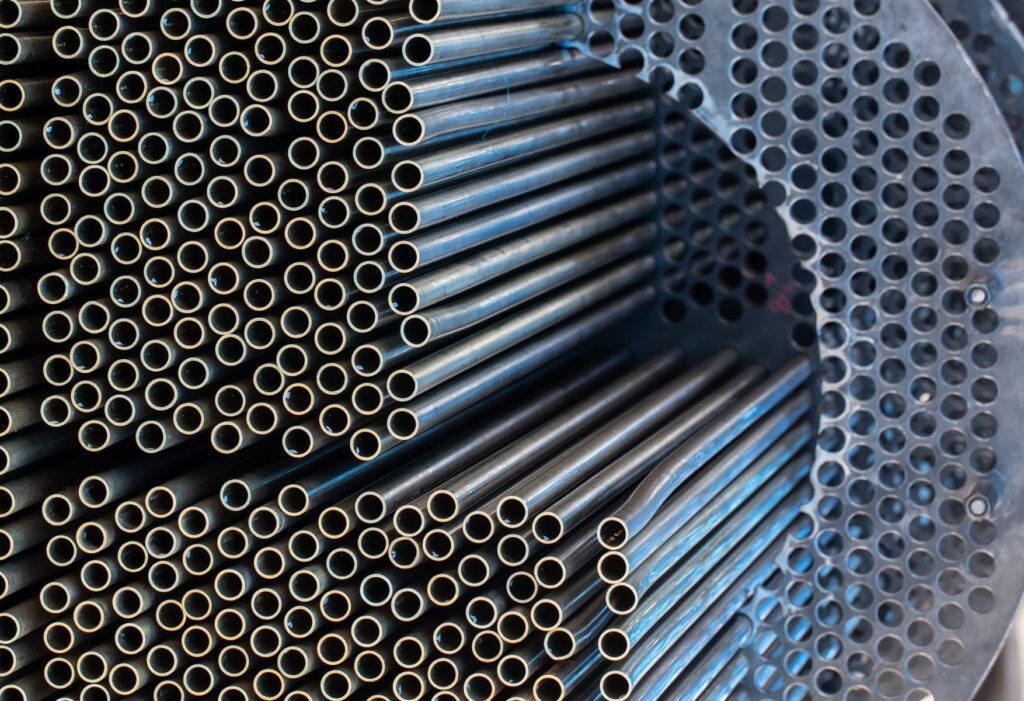
Piping engineers and procurement managers constantly face complex material decisions. Industrial infrastructure demands precision and reliability. Choosing the wrong pipe grade leads to project delays and severe safety risks. One common challenge is deciding between ASTM A106 and ASTM A53 specifications. Both are widely used across global industries. However, they serve very distinct operational purposes.
Understanding these differences ensures you procure the exact materials your project requires. A high-quality seamless carbon steel pipe provides the structural backbone for refineries and manufacturing plants. We will break down the chemical compositions and performance limits of both standards. This guide will help you select the ideal piping solution for your upcoming mechanical and structural applications.
The Fundamentals of a Seamless Carbon Steel Pipe
Before comparing specific grades, we must understand the core manufacturing process. A seamless carbon steel pipe begins its life as a solid cylindrical billet of steel. Manufacturers heat this billet to extreme temperatures. They then pierce the centre with a mandrel and stretch the metal over it. This process forms a hollow tube without any longitudinal weld seam.
The absence of a weld seam provides a massive structural advantage. Welded pipes carry a slight risk of failure along the seam under high stress. A seamless carbon steel pipe offers uniform strength across its entire circumference. This uniformity allows it to handle significantly higher internal pressures. Facilities that process volatile fluids rely heavily on this predictable strength. The extrusion process also guarantees a smoother internal surface. This smoothness improves fluid flow and reduces the risk of localised corrosion over time.
Defining the ASTM A106 Seamless Carbon Steel Pipe
The American Society for Testing and Materials created the A106 specification for very specific environments. An ASTM A106 seamless carbon steel pipe is engineered exclusively for high-temperature service. You will find this grade heavily utilised in power generation plants and petrochemical refineries. These facilities process steam and hot oils at temperatures that would compromise standard steel.
This specification requires the steel to be “killed”. Killed steel undergoes a deoxidation process during melting. Manufacturers add specific elements to draw out oxygen. This creates a highly uniform and pure metal grain structure. The resulting seamless carbon steel pipe resists thermal expansion and maintains its integrity under intense heat.
ASTM A106 comes in three distinct grades, which are Grade A, Grade B and Grade C. Grade B is the most common choice for industrial applications. It offers an optimal balance of tensile strength and ductility. Engineers specify A106 when the piping system must withstand continuous high-temperature fluid transport without deforming.
Defining the ASTM A53 Seamless Carbon Steel Pipe
The ASTM A53 standard covers a much broader range of applications. Unlike A106, the A53 specification includes both welded and seamless pipe manufacturing methods. For this discussion, we will focus on the Type S version. The Type S classification indicates that the product is an ASTM A53 seamless carbon steel pipe.
Engineers specify A53 for general mechanical and low-pressure applications. It is the standard choice for compressed air lines and structural supports. You will also see it used for basic steam and water transport at ambient temperatures. It is not designed to handle the extreme heat found in high-pressure boiler systems.
A53 pipes come in Grade A and Grade B. This standard is highly versatile because it allows for various surface treatments. A manufacturer can supply an A53 seamless carbon steel pipe as bare steel or with a protective zinc coating. Hot-dipped galvanising makes A53 highly resistant to external rust. This makes it a favourite choice for outdoor structural projects and commercial plumbing systems.
Key Differences in a Seamless Carbon Steel Pipe Under A106 and A53
Procurement teams must recognise the technical variances between these two standards. Ordering the wrong specification wastes project budgets and creates engineering liabilities. Here is a detailed breakdown of how an A106 seamless carbon steel pipe differs from an A53 seamless carbon steel pipe.
1. Chemical Composition and Silicon Additions
The most critical difference lies in the chemical makeup of the steel. An ASTM A106 seamless carbon steel pipe mandates the inclusion of silicon. The standard requires a minimum silicon content of 0.10 per cent. Silicon acts as a powerful deoxidiser. It improves the heat resistance of the metal. This addition is what allows A106 to survive in high-temperature environments.
Conversely, the ASTM A53 specification does not require any silicon. It relies purely on carbon and manganese for its structural strength. The lack of silicon means an A53 seamless carbon steel pipe cannot withstand prolonged exposure to superheated steam or extreme industrial heat. Furthermore, A106 allows for slightly lower levels of sulfur and phosphorus compared to A53. This increases the overall purity of the A106 metal.
2. Temperature Limits and Pressure Ratings
Operating temperature dictates which standard you must purchase. The A106 seamless carbon steel pipe is legally certified for high-temperature operations. Piping engineers calculate their pressure loads based on the steel retaining its yield strength at elevated temperatures. If your process fluids exceed standard ambient temperatures, you must use A106.
The A53 standard is strictly for ambient and low-temperature use. Using an A53 seamless carbon steel pipe in a high-heat application is a massive safety violation. The metal will weaken and potentially rupture under pressure. Always verify the maximum operating temperature of your fluid systems before placing a purchase order.
3. Manufacturing Processes and Testing Standards
Quality control testing separates these two materials further. Because A106 handles dangerous high-temperature fluids, the testing requirements are incredibly strict. Every A106 seamless carbon steel pipe must undergo rigorous non-destructive testing. This includes ultrasonic testing to check for hidden internal flaws. Manufacturers must guarantee the pipe can handle extreme stress without failing.
An A53 seamless carbon steel pipe undergoes standard hydrostatic testing. This ensures it can hold pressure without leaking. However, it does not require the advanced non-destructive heat and stress testing mandated for A106. The testing protocols reflect the intended end-use of the product.
4. Dual Certification Realities
Many modern steel mills produce a highly refined product that meets both standards. You will often see a seamless carbon steel pipe labelled as dual-certified A106/A53 Grade B. This happens when the manufacturer includes the necessary silicon for A106 while also passing the standard structural tests for A53. Dual certification simplifies inventory for distributors. However, procurement managers must always check the Material Test Report to ensure the silicon content actually meets the A106 minimums before using it in a high-heat application.
Practical Uses for Seamless Steel Pipes in Industry
Understanding these specifications helps you deploy materials correctly across your facility. Different zones within a single manufacturing plant will require different piping solutions.
If you are designing a high-pressure boiler system, you will rely exclusively on A106. The superheated steam requires the thermal stability of silicon-treated steel. Refineries moving hot crude oil also depend on this high-temperature rating. The predictable strength of an A106 seamless carbon steel pipe prevents catastrophic blowouts.
Alternatively, you should specify A53 for your facility support systems. You do not need to pay the premium for high-temperature steel when building a fire sprinkler system. An A53 seamless carbon steel pipe is perfect for compressed air distribution lines. It also works exceptionally well for structural casing and fencing. Utilising standard pipes for these ambient applications protects your procurement budget.
Cost Implications and Budgeting for a Seamless Carbon Steel Pipe
Procurement teams must balance project safety with budget constraints. The pricing differences between A106 and A53 directly impact your bottom line. An ASTM A106 seamless carbon steel pipe carries a premium price tag. The raw material costs more because of the required silicon additions. The complex steel manufacturing process consumes more energy and time. Furthermore, the rigorous non-destructive testing adds significant overhead to the final product cost. You are paying for the guarantee of high-temperature safety.
An ASTM A53 seamless carbon steel pipe is generally more cost-effective. The simpler chemical composition and standard testing protocols keep production costs lower. This makes A53 the dominant choice for massive structural projects where thousands of feet of pipe are required.
Using A106 in an ambient temperature setting wastes money without providing any operational benefit. Smart engineering involves matching the pipe grade to the specific hazard level of the fluid being transported. Utilising carbon steel seamless pipes efficiently requires cross-department communication. The engineering team must clearly define the temperature boundaries so the procurement team can purchase the most economical standard.
Procurement Strategies for Carbon Steel Seamless Pipes
Buying industrial steel requires careful vendor evaluation. You must ensure your supplier understands the nuanced differences between A106 and A53. Never accept a pipe substitution without consulting your lead piping engineer.
Always demand a comprehensive Material Test Report with your shipment of seamless carbon steel pipes. This document is your proof of quality. It shows the exact chemical breakdown of the steel batch. You can verify the silicon content yourself to confirm you received true A106 material. The report will also detail the results of the hydrostatic and non-destructive tests.
Proper storage is also vital once the material arrives at your site. Keep your carbon steel seamless pipe inventory elevated off the ground. This prevents soil moisture from initiating surface corrosion. Even though these pipes are highly durable, poor storage conditions can degrade their operational lifespan before installation even begins.
Partner with Anand Seamless Limited for Your Projects
Sourcing reliable piping materials is the foundation of a safe industrial project. Anand Seamless Limited manufactures industry-leading fluid transport solutions. We understand the critical demands placed on every seamless carbon steel pipe in your facility. Our production facilities maintain the highest quality control standards. We ensure every product meets exact ASTM specifications.
Whether you need high-temperature A106 materials for a power plant or A53 structural pipes, we have the inventory and expertise to support you. Our team provides complete material documentation and tailored engineering support. We deliver the durable components you need to keep your operations running safely and efficiently. Contact Anand Seamless Limited at +91 99099 68550/ +91 90999 96853 or drop us an email at inquiry@anandseamless.com to discuss the technical requirements for your next major installation.