
Proven Methods to Safely Clean and Descale Boiler Tubes
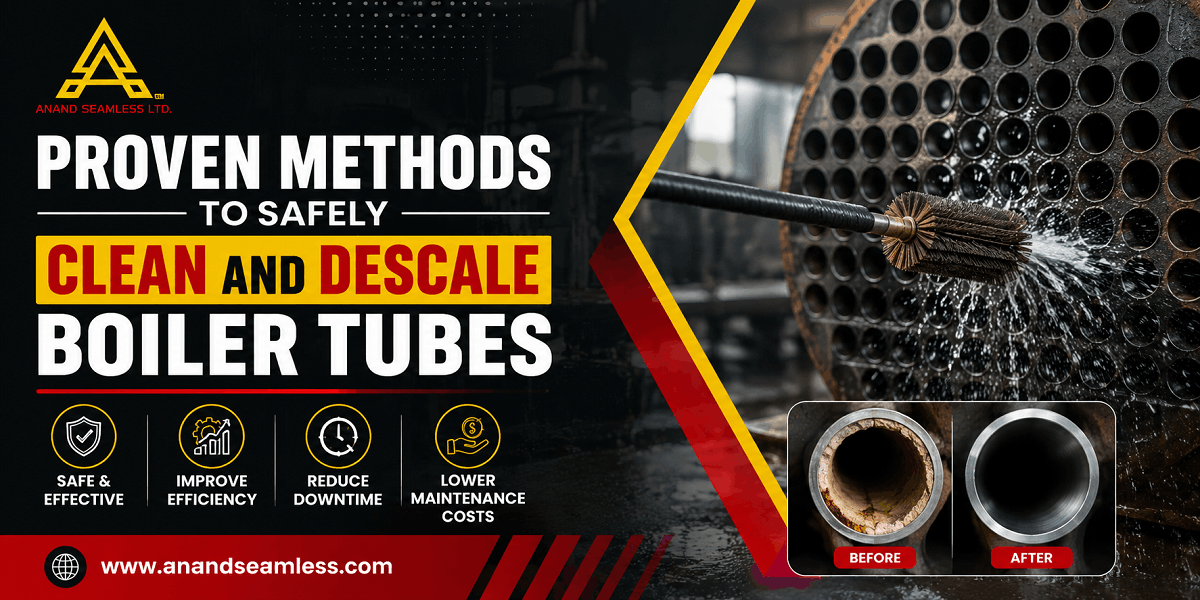
Industrial boiler tubes withstand extreme conditions to keep heavy manufacturing plants and power generation facilities running. Heavy-duty pipes transfer intense thermal energy to water to create high-pressure steam. Minerals like calcium and silica from the water supply eventually form hard scales inside the metal pipes over time.
This stubborn scale blocks thermal transfer and forces your system to burn excess fuel. You must clear these blockages quickly to prevent catastrophic equipment failure. Facilities that ignore regular maintenance face high repair bills and extended operational downtime.
What is the best method to clean boiler tubes?
The most effective way to clean boiler tubes is a combination of mechanical brushing, chemical descaling, and high-pressure hydro-jetting. Mechanical rotary brushes safely scrub away light soot and physical build-up. Custom chemical acid solutions dissolve hard mineral scales inside complex pipe geometries. High-pressure water jets then flush out the remaining loose debris to restore complete water flow and thermal efficiency.
Analyse the Root Cause of Hard Scale Formation
You cannot fix boiler fouling without understanding the basic chemistry of your water supply. Raw water from municipal grids or natural wells contains high levels of dissolved earth minerals. Heat acts as a powerful catalyst when this untreated water enters the steam generation cycle.
Calcium carbonate and magnesium naturally fall out of the water solution at boiling temperatures. These minerals bond instantly to the hot inner walls of seamless boiler tubes. This chemical reaction creates a continuous layer of dense, rock-hard scale across the entire heating surface.
The hardness of the local water dictates the speed of this destructive buildup. Facilities operating in areas with mineral-rich water can develop thick scale layers in just a few short weeks. You must implement aggressive water softening strategies to stop this rapid accumulation before it starts.
How Hard Mineral Deposits Hurt Plant Efficiency
Scale acts as an incredibly powerful thermal insulator inside your critical equipment. Bare metal transfers heat rapidly to the water flowing inside the pipes. A layer of mineral scale severely interrupts this natural energy exchange and traps the heat outside.
The furnace must burn significantly more fuel just to push heat through the rocky mineral barrier. Data shows that even tiny amounts of scale cause significant financial losses. A mineral layer just 1/32 of an inch thick can increase your total fuel consumption by two per cent.
Thicker scale layers composed of silica and iron can spike fuel waste by over six per cent. This thermal blockage also traps dangerous heat inside the metal wall itself. Carbon steel boiler tubes will overheat and lose structural integrity when internal water cannot absorb the thermal energy.
The metal will eventually expand, warp, and rupture violently under high pressure. Plant managers must treat scale buildup as an immediate operational hazard to protect the facility.
Spot the Early Warning Signs of Thermal Stress
You do not have to wait for a total system failure to realise your equipment needs maintenance. Daily operational logs provide clear indicators of internal fouling long before a pipe bursts. Operators must monitor these metrics closely to protect power plant boiler tubes from irreversible damage.
1. Sudden Drops in Heat Transfer Rate
A well-maintained system requires a specific amount of heat to produce a target volume of steam. You will notice a steady decline in this output ratio as scale builds up. The boiler will require far more time and energy to reach optimal operating pressures.
2. Unexplained Surge in Monthly Fuel Costs
Blocked heat transfer leads directly to higher operational expenses. The burners will run longer and at higher capacities to compensate for the insulating effect of the scale. This directly translates into unexpected spikes in gas or coal consumption.
3. Frequent High-Temperature Alarms and System Trips
Advanced automation systems constantly monitor the surface temperature of steam boiler piping to guarantee safe operational limits. Localised hot spots develop rapidly when thick scales prevent internal water circulation. These extreme temperature spikes will trigger automated safety alarms and force unexpected plant shutdowns.
Crucial Safety Protocols Before the Work Begins
Industrial boiler cleaning involves hazardous chemicals, confined spaces, and high-pressure equipment. Your maintenance crew must follow rigid safety standards to prevent severe workplace injuries. Never bypass crucial preparation steps just to save a little time.
1. Strict Lockout-Tagout Execution
Every single energy source connected to the boiler must be completely isolated and locked. Technicians must lock out electrical breakers for feed pumps and forced draft fans. Operators must physically close and tag all steam, water, and fuel valves securely.
2. Proper Ventilation and Atmospheric Testing
Confined spaces inside the furnace often trap dangerous gases and lack breathable oxygen. Crews must install heavy-duty extraction fans to circulate fresh air inside the chamber. A certified safety officer must test the internal atmosphere for toxic fumes before anyone enters.
3. Temperature Verification Before Entry
The massive steel structures hold intense heat for several days after an operational shutdown. Workers face severe burn risks if they enter the dark furnace too early. Thermocouples must confirm that all internal metal surfaces have cooled to safe ambient temperatures.
Advanced Maintenance Techniques for Clear Pathways
Different types of internal fouling require very specific removal strategies to ensure success. Maintenance engineers select cleaning methods based on the scale thickness and the pipe geometry. They must also consider the unique metallurgical properties of the heat-resistant boiler tubes.
1. Mechanical Brushes for Tough Physical Buildup
Mechanical cleaning utilises rotating wire brushes or durable nylon scrapers attached to long flexible shafts. Operators feed these specialised tools directly into the straight sections of industrial boiler tubing. The fast-spinning action physically dislodges loose soot, ash, and light scale from the inner walls.
This dry method works incredibly well for routine maintenance turnarounds. It requires no water supply and produces absolutely no hazardous liquid waste to dispose of. However, aggressive steel wire brushes can accidentally scratch the interior metal surface if operated at incorrect speeds.
2. Chemical Solutions for Heavy Mineral Scale
Some deposits resist basic physical scraping and require incredibly strong chemical intervention. Chemical cleaning circulates heated industrial acid solutions through the entire tube network. These specialised acids dissolve hard calcium carbonate and magnesium silicate down to the bare metal.
This process is absolutely ideal for complex pipe geometries that physical brushes simply cannot reach. Operators pump the specific chemical mix through the system and neutralise it safely afterwards. You must match the chemical formula to the specific grade of your alloy steel boiler tubes to prevent accidental metal corrosion.
3. High-Pressure Hydro-Jet Systems to Flush Loose Debris
Hydro-jetting uses engineered steel nozzles to blast water through the pipes at extreme velocities. Industrial pumps generate high pressures ranging from 10,000 to over 20,000 PSI to obliterate blockages. The sheer kinetic force of the water slices through the hard scale without causing mechanical damage to the steel.
High-pressure water jetting completely flushes all heavy debris out of the system in one swift motion. It cleans long straight pipes and complex U-bends with equal efficiency. Hydro-jetting leaves a perfectly smooth surface that actively resists new scale formation.
Review the Optimal Cleaning Methods Below:
Maintenance Method | Best Suited For | Main Advantage |
Mechanical Brushing | Light soot, loose ash, straight pipe sections | Low operational cost, zero water waste, fast execution |
Chemical Cleaning | Hard mineral scale, complex pipe geometries | Dissolves severe blockages in completely inaccessible areas |
Hydro-Jetting | Heavy scale, total blockages, curved U-bends | Cleans to bare metal without scratching the interior surface |
How to Verify Cleanliness and Tube Integrity
You must inspect the entire system thoroughly once the complex cleaning process concludes. Removing the hard scale often reveals hidden metal damage that occurred silently during normal operation. Engineers deploy high-resolution digital borescopes to visually examine the deep interior of superheater tubes.
Advanced non-destructive testing helps verify the remaining wall thickness of the steel. Technicians use ultrasonic testing equipment to measure the dimensions and locate hidden internal corrosion. This critical data determines if the pipe still meets industrial safety standards or requires immediate replacement.
Operators must pay special attention to highly vulnerable areas inside the furnace. Components like economiser tubes frequently suffer from severe surface pitting caused by acidic exhaust gases. You must document all inspection results meticulously to build a reliable equipment history for the plant.
Establish a Proactive Plan to Prevent Future Failures
The absolute best way to handle severe boiler fouling is to prevent it from happening entirely. Plant managers must implement strict feedwater treatment programs to remove dissolved minerals. High-capacity water softeners and industrial reverse osmosis units heavily reduce the overall risk of scale formation.
Operators should also execute proper blowdown procedures daily to remove concentrated sludge from the boiler drum. This simple action purges heavy contaminants before they bake onto the hot metal surfaces. Schedule regular maintenance cleanings during planned annual turnarounds to keep the system pristine.
Routine mechanical brushing takes very little time and prevents major thermal efficiency losses. Waiting for an emergency system shutdown to clean your equipment guarantees massive revenue losses. Proactive maintenance protects your investment and ensures worker safety.
Sometimes, extensive chemical corrosion and thermal warping make cleaning completely impossible. You must replace heavily damaged sections immediately to restore safety and environmental compliance.
Contact Anand Seamless Limited today to source premium seamless steel boiler pipes. We tailor our heavy-duty products precisely to your unique operational demands.
Call us at +91 99099 68550 or +91 90999 96853 to discuss your requirements. You can also drop an email to biz@anandseamless.com (international) or inquiry@anandseamless.com (domestic).
As a trusted boiler tube manufacturer and globally recognised supplier, we deliver components engineered for extreme durability. Our comprehensive range of ASTM boiler tubes ensures your facility operates safely at peak efficiency.
Let our dedicated technical experts guide you. We will help you select the exact specifications for your next critical high-pressure boiler tubes upgrade.