
Mechanical Tubes vs Structural Tubes: Key Differences
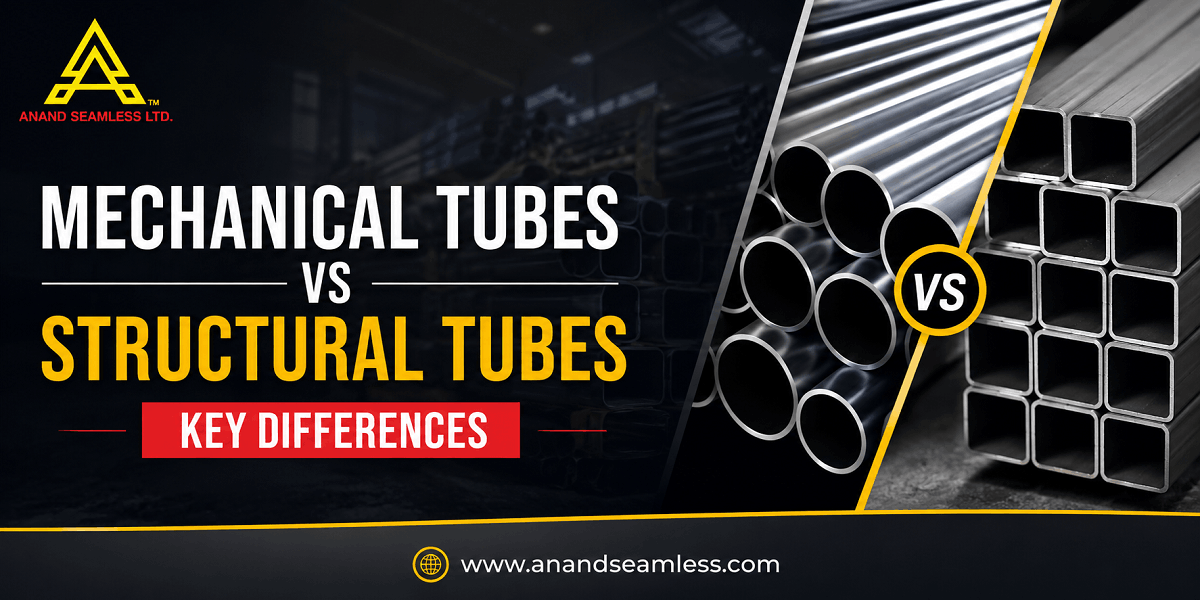
Steel tubes may look similar from the outside, but they are not always designed for the same job. A tube used inside a hydraulic cylinder does not have the same performance requirement as a tube used in a building frame, platform, or support structure.
This is where buyers often compare mechanical tubes and structural tubes. Both may be made from steel. Both may be round, square, or rectangular. But their purpose, tolerance requirements, surface finish, strength expectations, and selection criteria can be very different.
Direct Answer:
Mechanical tubes are designed for precision parts, machining, hydraulic cylinders, bushings, automotive components, and mechanical assemblies, while structural tubes are designed for load-bearing applications such as frames, supports, buildings, bridges, platforms, and fabricated structures. The right choice depends on whether the project requires precision performance, close tolerances, and machinability, or structural support, stability, and load-bearing strength.
What Are Mechanical Tubes?
Mechanical tubes are steel tubes manufactured for mechanical and component-based applications. They are commonly used where accuracy, surface finish, straightness, machinability, and dimensional control matter.
Unlike general-purpose tubing, mechanical steel tubes are usually selected based on how they will perform inside a machine, vehicle, hydraulic system, or engineered assembly.
Common applications include:
- Hydraulic cylinders
- Bushings and sleeves
- Shock absorber components
- Steering columns
- Automotive parts
- Machine components
- Mechanical shafting
- Ready-to-hone tubes
- Liner tubes
- Precision assemblies
In many cases, precision mechanical tubes help reduce machining time because the tube is supplied closer to the required final size. This is especially useful when the buyer needs accurate OD, ID, wall thickness, straightness, or internal surface condition.
For example, if a manufacturer is producing a hydraulic cylinder, the internal bore must support smooth movement and proper sealing. A general structural tube may not provide the required internal finish or dimensional control. A properly specified mechanical tube can reduce extra boring, honing, and material wastage.
ASTM A519 is one widely referenced standard for seamless carbon and alloy steel mechanical tubing, covering hot-finished or cold-finished mechanical tubing grades.
What Are Structural Tubes?
Structural tubes are steel tubes designed mainly for strength, support, and load-bearing applications. They are commonly used in construction, infrastructure, fabrication, equipment frames, and other structural systems.
Their main role is not precision machining. Their role is to provide stability, shape, and strength.
Common applications include:
- Building frames
- Bridges
- Support columns
- Industrial platforms
- Fabricated structures
- Machinery frames
- Handrails and railings
- Agricultural equipment frames
- Construction equipment structures
Structural tubes are often available in round, square, and rectangular shapes because the shape itself affects strength, load distribution, and fabrication convenience.
ASTM A500, for example, covers cold-formed welded and seamless carbon steel structural tubing used for welded, riveted, or bolted construction of bridges, buildings, and general structural purposes.
Mechanical Tubes vs Structural Tubes: Quick Comparison
| Factor | Mechanical Tubes | Structural Tubes |
| Main purpose | Precision parts and mechanical components | Frames, supports, and load-bearing structures |
| Key priority | Tolerance, fitment, finish, machinability | Strength, stability, load support |
| Common use | Hydraulic cylinders, bushings, shafts, and automotive parts | Buildings, platforms, bridges, frames |
| Tolerance requirement | Usually tighter | Usually, standard structural tolerance |
| Surface finish | More important | Less critical unless exposed or coated |
| Machining need | Often machined, honed, bored, or polished | Usually cut, welded, bolted, or fabricated |
| Buyer concern | Component performance | Structural performance |
| Common standards | ASTM A519, EN 10305, DIN 2391 | ASTM A500 and structural standards |
Key Difference 1: Purpose and End Use
The biggest difference between mechanical tubes and structural tubes is the purpose.
Mechanical tubes are selected when the tube becomes part of a working component. The tube may move, rotate, guide another part, hold pressure, or require accurate machining.
Structural tubes are selected when the tube becomes part of a structure. The tube may support weight, resist bending, hold a frame together, or provide stability.
The difference becomes clearer with these examples:
- A hydraulic cylinder tube needs precision and internal finish.
- A bushing tube needs machinability and dimensional accuracy.
- A platform support tube needs load-bearing strength.
- A frame tube needs weldability, shape, and stability.
Instead of deciding which tube is superior, buyers should first understand what the tube needs to do in the final application. Is it expected to support a structure, or does it need to deliver precision, movement, machining accuracy, or fitment?
Key Difference 2: Dimensional Tolerances
Tolerance is one of the most important differences.
Precision mechanical tubes often need tighter control over:
- Outside diameter
- Inside diameter
- Wall thickness
- Straightness
- Ovality
- Surface finish
- Length accuracy
This matters because even a small dimensional variation can affect machining, assembly, sealing, or movement.
For example, assume a buyer orders tubes for bushings. If the ID variation is too high, every piece may need extra machining. That increases cycle time, tool wear, power use, and rejection risk.
Structural tubes also follow dimensional standards, but their tolerance requirements are usually linked to fabrication and load-bearing use. They may not need the same level of internal precision because they are commonly welded, bolted, cut, or used as structural members.
Key Difference 3: Strength Requirements
Both tube types can be strong, but “strength” means different things in each case.
For mechanical tubes, strength may relate to:
- Pressure handling
- Wear resistance
- Fatigue performance
- Hardness
- Machining stability
- Component reliability
- Movement under load
For structural tubes, strength usually relates to:
- Load-bearing capacity
- Bending resistance
- Stability
- Welded or bolted joint performance
- Structural safety
- Frame rigidity
A shock absorber tube and a building support tube both need strength. But they do not face the same kind of stress. One must support controlled movement and fitment. The other must support external loads and structural forces.
That is why buyers should avoid choosing tubes only by size. Grade, wall thickness, finish, tolerance, and end use must all be considered.
Key Difference 4: Surface Finish and Machinability
Surface finish is especially important in mechanical steel tubes.
A tube used for hydraulic cylinders, bushings, sleeves, or automotive components may need boring, honing, turning, polishing, or other secondary machining. If the surface finish is poor, the buyer may spend more time correcting it.
Good machinability can help reduce:
- Tool wear
- Production time
- Scrap rate
- Material removal
- Finishing cost
- Fitment issues
This is where ready-to-hone or close-tolerance seamless mechanical tubes can add value. If the tube already has controlled dimensions and sufficient stock for final honing, the manufacturer can finish the component more efficiently.
Structural tubes may also need surface preparation, especially if they are painted, galvanised, or exposed. However, their internal surface finish is usually not as critical unless the application specifically demands it.
Key Difference 5: Seamless and Welded Options
This is where many buyers get confused.
Mechanical vs structural describes the application category. Seamless vs welded describes the manufacturing method.
That means mechanical tubes can be seamless or welded, depending on the application, standard, grade, and performance requirement. Similarly, structural tubes may also be seamless or welded.
In critical mechanical applications, seamless mechanical tubes are often preferred because they do not have a welded seam and can offer reliable performance in demanding component applications.
However, welded mechanical tubes may also be suitable for many applications where the tolerance, strength, finish, and cost requirements are properly matched.
The key is not to assume one option is automatically right for every project. The buyer should share the actual application, load condition, machining requirement, and inspection needs with the manufacturer.
When Should You Choose Mechanical Tubes?
Choose mechanical tubes when your application requires precision, machining, movement, alignment, or component-level performance.
They are suitable when you need:
- Close OD and ID tolerance
- Smooth internal or external finish
- Good straightness
- Machining or honing
- Hydraulic or pneumatic performance
- Reliable fitment in assemblies
- Reduced material wastage
- Better control over mechanical properties
- Custom size or grade requirements
For example, an automotive component manufacturer producing steering column parts cannot treat the tube as a basic steel hollow section. The tube must meet specific dimensional and performance requirements. In this case, precision mechanical tubes are a better fit.
When Should You Choose Structural Tubes?
Choose structural tubes when your application mainly requires support, shape, and load-bearing performance.
They are suitable when you need:
- Frame fabrication
- Structural support
- Welded or bolted construction
- Platforms or columns
- Square or rectangular hollow sections
- Building or infrastructure use
- General fabrication strength
- Cost-effective structural performance
For example, a fabricator building an industrial platform needs tubes that can support load, connect easily with other members, and meet structural design requirements. In that case, structural tubing is usually more appropriate than mechanical tubing.
Common Mistakes Buyers Should Avoid
1. Choosing only by price
A cheaper tube can become expensive if it increases machining time, rejection rate, or maintenance issues.
2. Ignoring tolerance
For mechanical applications, tolerance is not a small detail. It directly affects fitment, assembly, and production efficiency.
3. Treating all steel tubes as interchangeable
A structural tube may look similar to a mechanical tube, but it may not offer the same precision or surface condition.
4. Not sharing end-use details
Manufacturers can recommend better grades, finishes, and supply conditions when they know the final application.
5. Confusing seamless/welded with mechanical/structural
Remember: seamless or welded is about how the tube is made. Mechanical or structural is about how the tube is used.
Questions to Ask Before Selecting the Right Tube
Before placing an order, buyers should ask:
- What is the final application?
- Will the tube be machined, honed, or polished?
- Is the tube used in a moving component?
- Is it a load-bearing structural member?
- What OD, ID, and wall thickness are required?
- What tolerance is acceptable?
- What surface finish is needed?
- Which grade or standard applies?
- Is seamless or welded construction preferred?
- What testing and documentation are required?
- Is the requirement standard or custom?
These questions help prevent wrong selection and reduce delays during manufacturing, inspection, and assembly.
Why Work With an Experienced Mechanical Tube Manufacturer?
An experienced manufacturer does more than supply tubes by size. They help buyers match the tube to the application.
For mechanical tubes, this may include selecting the right grade, tolerance, finish, heat treatment, straightness, and supply condition. For precision applications, these details can affect machining cost, production speed, and final product performance.
Anand Seamless Limited manufactures high-quality seamless tubes and pipes for demanding industrial applications, including mechanical tube requirements such as ready-to-hone tubes, bushing tubes, liner tubes, hydraulic components, and precision assemblies.
For OEMs, engineering companies, and industrial buyers, working with the right tube manufacturer can make selection easier and reduce costly mistakes.
Need the Right Tube for Your Industrial Application?
Choosing the right tube is not just about size or price. It is about performance, fitment, safety, machining efficiency, and long-term reliability. If your project requires close tolerances, smooth finish, strength, or application-specific specifications, Anand Seamless Limited can help you select the right mechanical tube solution.
With expertise in seamless tubes and pipes for demanding industrial applications, we support OEMs, engineers, and procurement teams with dependable quality and practical guidance.
Share your requirements today and get tubes designed to perform where precision and reliability matter most. Share your requirements today and get tubes designed to perform where precision and reliability matter most.