
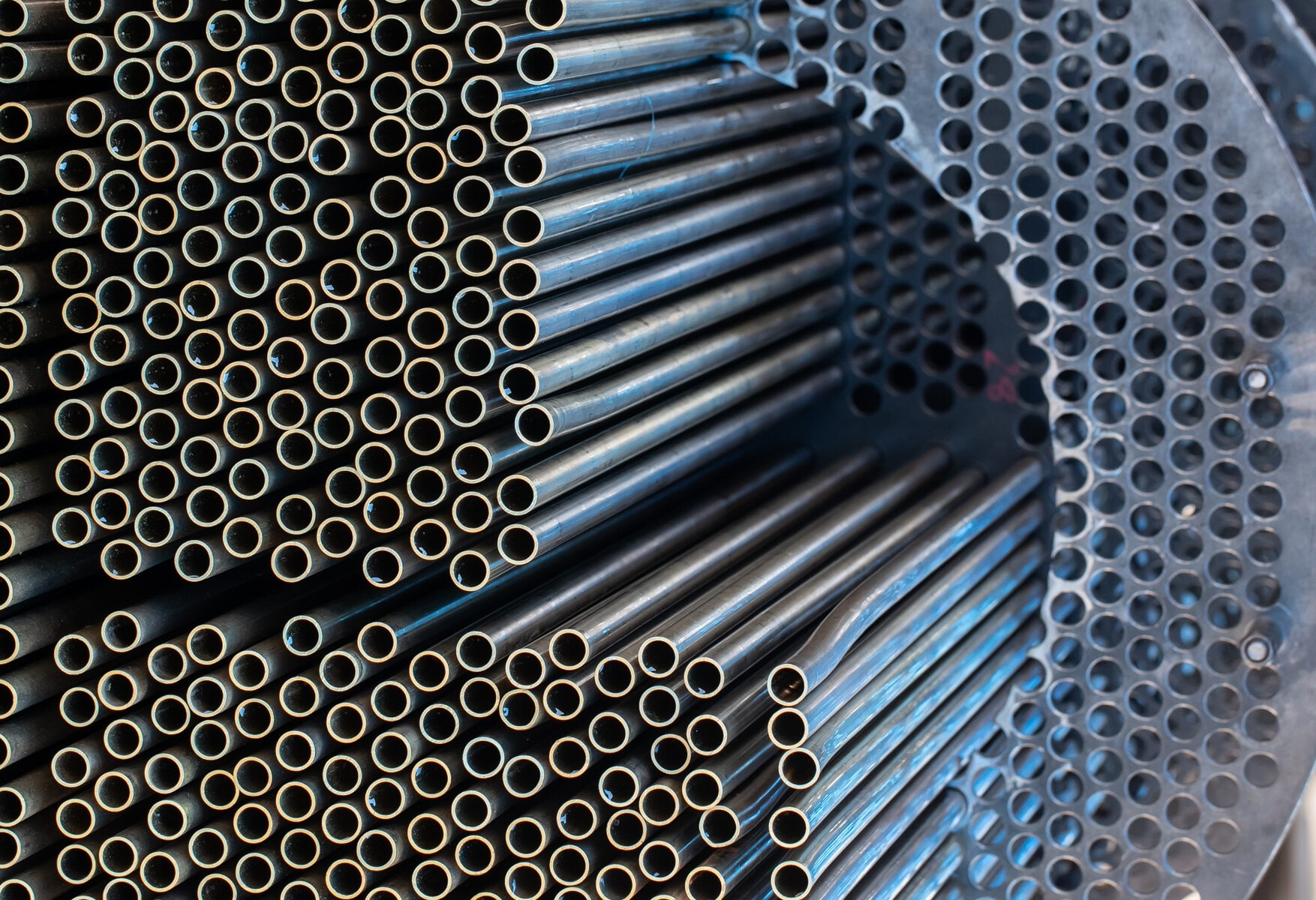
Transporting natural gas at -162°C (-260°F) creates a brutally harsh environment for industrial materials. A modern Liquefied Natural Gas (LNG) terminal handles massive volumes of highly volatile fluid every single day. The piping infrastructure must survive extreme thermal shocks without a single failure. Even a microscopic flaw in a transport line can lead to catastrophic boil-off gas leaks. Such leaks result in immediate facility shutdowns and severe safety hazards.
Standard welded pipes are inherently risky for these high-pressure systems. The weld seam creates a natural weak point that struggles to handle extreme temperature fluctuations. This is why global contractors rely on specialised seamless steel pipe manufacturers to engineer components that offer absolute structural integrity. These manufacturers design heavy-duty piping systems built specifically to withstand the unique physical demands of cryogenic processing.
Why Liquefied Natural Gas Facilities Push Piping to the Absolute Limit
Cryogenic temperatures fundamentally alter the physical properties of industrial metals. Converting this resource into a liquid phase compresses its overall volume to just 1/600th of its initial size. Pumping this super-cooled liquid through a terminal places immense stress on the surrounding containment walls. The sudden drop in temperature causes severe thermal contraction across the entire piping network.
Metals naturally shrink when exposed to extreme cold. This shrinkage pulls on joints and fittings. The structural stress multiplies rapidly during the loading and offloading phases at marine terminals. Pipes face constant cyclic loading as temperatures fluctuate between ambient weather conditions and deep cryogenic states.
Engineers cannot afford compromises in this environment. Welded pipes contain a heat-affected zone along the longitudinal seam. This zone has a slightly different metallurgical structure than the rest of the pipe. Repeated thermal contraction pulls at this seam. Over time, this microscopic stress leads to material fatigue. Premium seamless pipe manufacturers eliminate this risk by producing tubes forged from a single solid block of steel. The absence of a weld seam means the pipe expands and contracts uniformly across its entire circumference.
How Seamless Steel Pipe Manufacturers Defeat Brittle Fracture at Cryogenic Temperatures
The biggest threat to an LNG pipeline is a phenomenon known as brittle fracture. Standard carbon steel behaves like glass when exposed to sub-zero temperatures. A sudden pressure surge or physical impact can shatter a frozen standard pipe instantly. Top seamless steel pipe manufacturers carefully select specific alloy compositions to maintain high ductility even in the harshest environments.
1. Demand Strict Impact Toughness for Extreme Cold
Engineers must know how a pipe will react to sudden stress before it ever enters a facility. Leading seamless steel pipe manufacturers subject their materials to the Charpy V-notch impact test. Technicians freeze a small sample of the steel to the exact operating temperature of the LNG terminal. A heavy pendulum then strikes the frozen metal. This test measures the amount of energy the steel can absorb before fracturing. High-quality pipes will bend and deform slightly rather than snapping. This vital ductility ensures the pipeline can absorb sudden pressure surges without failing.
2. Specify ASTM A333 Grade 6 for Cold Environments
Global procurement managers mandate highly specific material grades for cryogenic service. ASTM A333 Grade 6 is the absolute gold standard for low-temperature industrial operations. Reputable seamless steel pipe manufacturers precisely control the chemical composition of this alloy during the initial melting phase. They carefully balance carbon and manganese levels to maximise low-temperature toughness. This precise chemical control guarantees the pipe will retain its mechanical strength down to -45°C (-50°F) and beyond. Using the correct certified grade protects the entire terminal from unexpected catastrophic ruptures.
3. Manage Thermal Contraction and Structural Stress
Uniform wall thickness is crucial for managing the stress of extreme cold. Advanced extrusion processes allow seamless steel pipe manufacturers to create pipes with perfectly consistent dimensions. A uniform wall distributes thermal stress evenly across the entire body of the pipe. There are no thin spots or weld seams to act as stress concentrators. This consistent structural integrity allows the pipeline to safely handle the continuous expansion and contraction cycles that occur during daily LNG processing.
Precision Extrusion Techniques that Eliminate Weak Points
The reliability of a cryogenic pipeline begins on the factory floor. The manufacturing process dictates the final strength of the metal. Creating a seamless pipe involves extreme heat and immense physical force. Seamless steel pipe manufacturers start with a solid cylindrical billet of high-grade steel. Technicians heat this solid steel block until it becomes highly malleable.
A powerful piercing mill then forces a heavy mandrel straight through the centre of the glowing hot billet. This process creates a hollow shell without any seams or joints. The steel is then rolled and stretched to achieve the outer diameter and wall thickness required for the project.
This specific production method delivers distinct advantages for heavy industry. The uniform grain structure of the extruded steel provides superior mechanical strength compared to rolled and welded plates. It also allows factories to produce heavy-wall fabrication suitable for extremely high-pressure applications. When facility engineers specify components from reliable seamless steel pipe manufacturers, they eliminate the most common point of failure found in standard industrial tubing.
Rigorous Flaw Detection Protocols Ensure Zero Leakage
Procurement managers need absolute certainty that their investment is safe. A visual inspection cannot reveal microscopic internal defects. The best seamless steel pipe manufacturers employ strict non-destructive testing standards before any product leaves their facility. These advanced testing protocols guarantee that the pipe will perform flawlessly under extreme conditions.
1. Uncover Hidden Wall Defects with Ultrasonic Methods
High-frequency sound waves provide a clear picture of the internal steel structure. Technicians pass ultrasonic testing equipment over the entire surface of the finished pipe. The sound waves travel freely through solid metal. If the sound wave hits a hidden crack or a tiny air pocket, it bounces back to the sensor. This instant feedback allows quality control teams to map out internal inconsistencies that visual inspections always miss. This level of scrutiny is mandatory for pipes destined for volatile LNG terminals.
2. Apply Extreme Load Via Hydrostatic Pressure Checks
Theoretical strength is not enough for heavy-duty applications. A trustworthy seamless pipe company will physically prove the strength of every single batch. Hydrostatic testing involves sealing both ends of the pipe and filling it with water. Technicians then pressurise the water to levels far exceeding the standard operating capacity of the LNG facility. The pipe must hold this extreme pressure for a specific duration without leaking or bulging. This brutal physical test guarantees the steel can survive sudden surges in the field.
3. Verify Exact Alloy Composition Through Positive Material Identification
An accidental mix-up in the steel yard can cause a massive disaster. Installing a standard carbon steel pipe in a cryogenic line will lead to immediate brittle fracture. Top-tier factories utilise handheld X-ray fluorescence devices directly on the shop floor. This Positive Material Identification process analyses the chemical makeup of the finished pipe in real time. It reassures the buyer that the metal chemistry perfectly matches the required mill test certificates.
Common Questions From Global Procurement Teams
1. How do contractors connect seamless piping during LNG terminal construction?
Engineers use specialised orbital welding techniques to join individual seamless sections directly on site. They carefully heat-treat these specific joint areas post-weld to ensure the pipeline maintains uniform stress resistance from end to end.
2. What is the expected lifespan of cryogenic seamless tubes?
When properly maintained and heavily insulated, these heavy-duty components can operate safely for 25 to 30 years. Regular acoustic emission monitoring helps facility managers track any microscopic wear over the decades.
3. Do these pipes need special exterior coatings for coastal plants?
Yes. While the interior handles sub-zero fluids, the exterior faces harsh saltwater spray from the ocean. Factories apply advanced thermal spray aluminium or high-build epoxy coatings to prevent external chloride-induced corrosion.
4. How do facilities prevent ice buildup on the outside of the steel?
Terminals wrap the heavy-wall lines in thick layers of cellular glass or specialised polyurethane foam. They seal this insulation with a tough vapour barrier to keep ambient moisture out and lock the extreme cold inside.
5. Are there diameter limits when manufacturing seamless options?
The solid billet extrusion process physically limits the maximum outer diameter compared to rolled metal plates. For massive main transfer lines exceeding 24 inches, engineers sometimes must shift to highly specialised double-submerged arc-welded options.
Secure Your LNG Terminal Infrastructure With a Reliable Partner
Global contractors need supply chain partners they can trust completely. Facility delays caused by rejected materials cost millions of dollars. Partnering with the right vendor ensures your heavy infrastructure projects stay on schedule and under budget.
Anand Seamless Limited stands out as a premier choice for demanding industrial projects. As one of the leading steel pipes manufacturers in India, the company combines advanced engineering capabilities with strict adherence to global API and ASTM codes. We specialise in heavy-wall tube fabrication and precision carbon steel components designed for high-pressure environments.
When you source materials from experienced seamless steel pipe manufacturers, you secure the long-term safety of your facility. Our factory-direct steel solutions prevent severe delays during crucial construction phases. You gain access to high-quality raw materials, advanced extrusion technology, and rigorous testing protocols all in one place. Protect your next mega-project by choosing an export-ready manufacturing partner capable of meeting your exact technical specifications.
Contact our export specialists today to request a comprehensive technical consultation and secure your high-volume supply.